











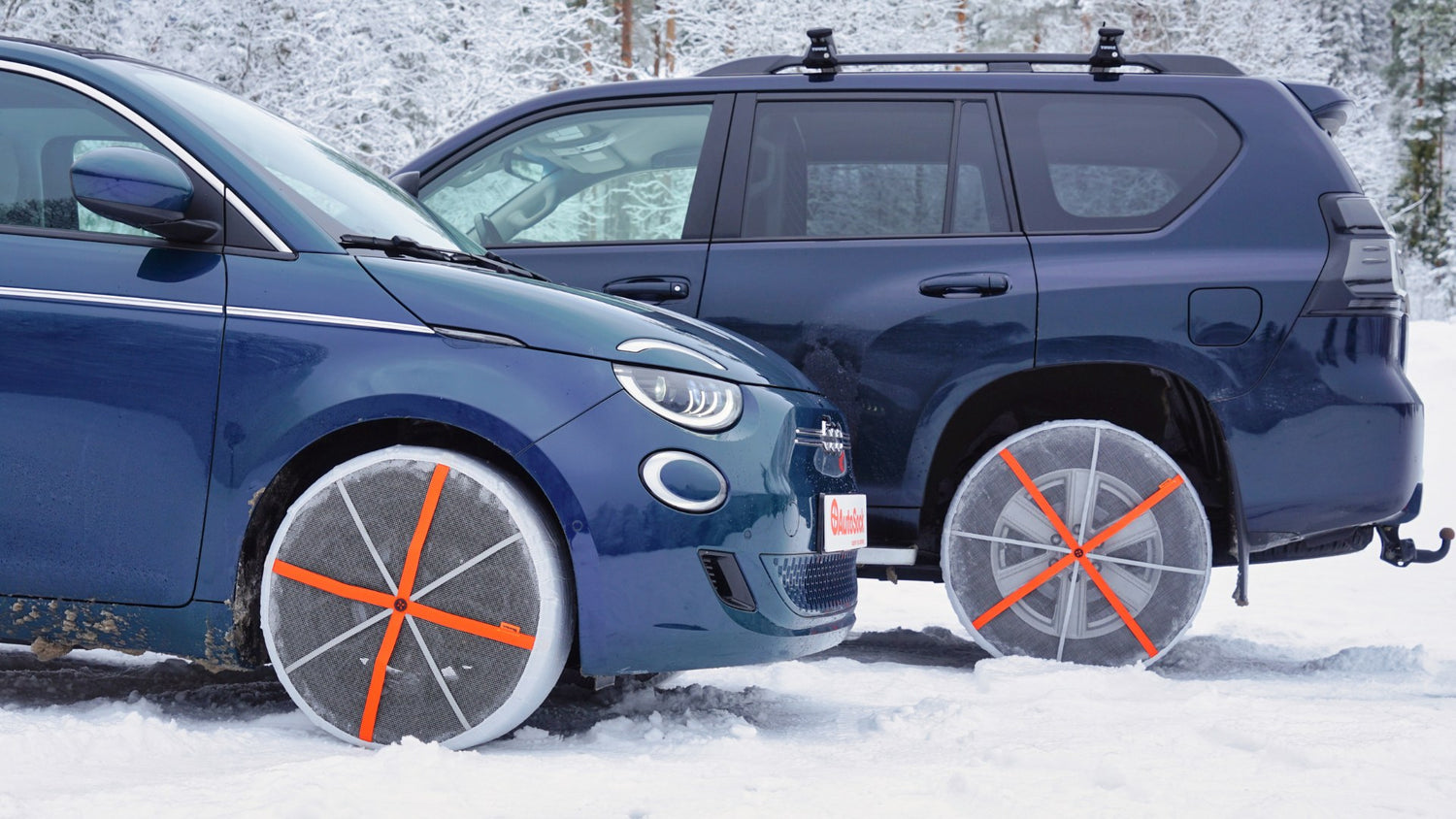
The Textile Snow Chains for Winter Driving on Snow and Ice are the Highest Certified Textile Traction Devices Worldwide
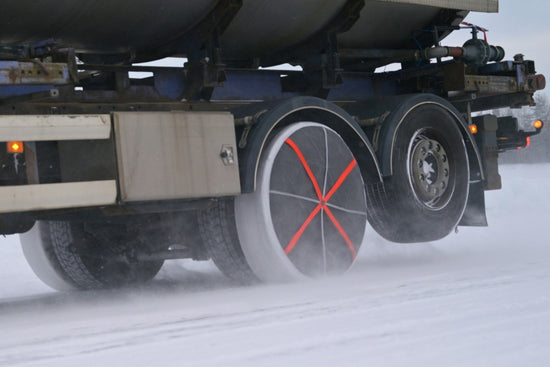
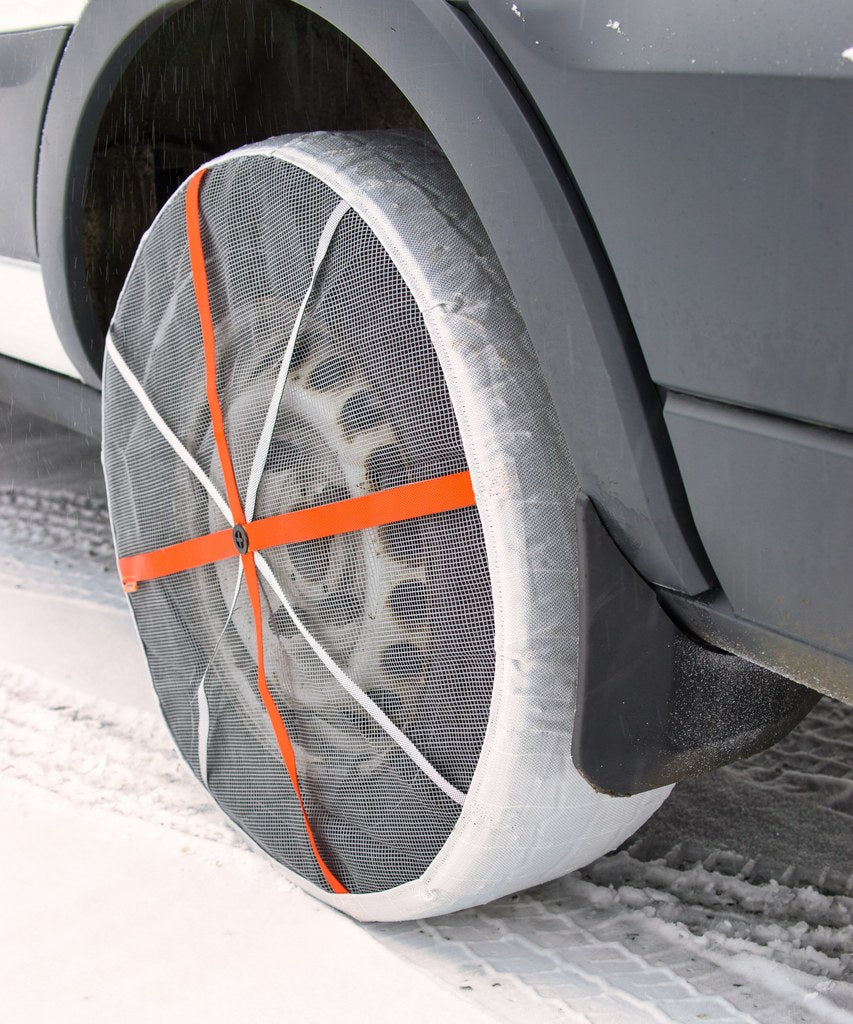
AutoSock is the new generation of winter traction devices. Made of textile, it is pulled over the driving wheels of cars, vans, trucks, buses and forklifts when extra grip is needed in winterly conditions. As the highest certified of its kind, AutoSock is a legal solution for cars and commercial vehicles.
AutoSock takes three minutes to install – even on vehicles with low clearance. The textile is damage-free to alloy rims and our sizes fit nearly every tire dimension. When not in use, our lightweight and compact products can be easily stored year round in the trunk.
TIRE SOCKS ARE USED BY FAMILIES, AMBULANCES, FIREFIGHTERS, ROADSIDE ASSISTANCE, PUBLIC SERVICES AND AIRPORTS
CERTIFIED BY LEADING INTERNATIONAL STANDARDS

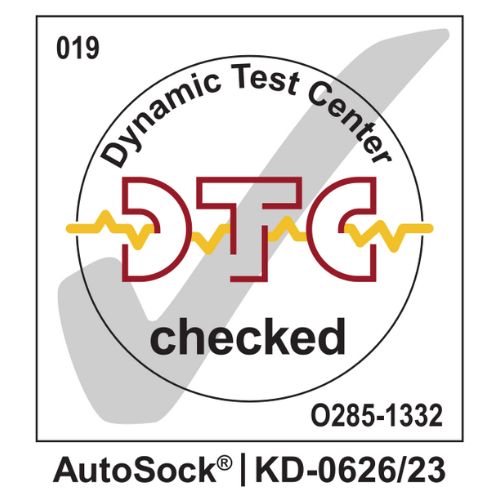



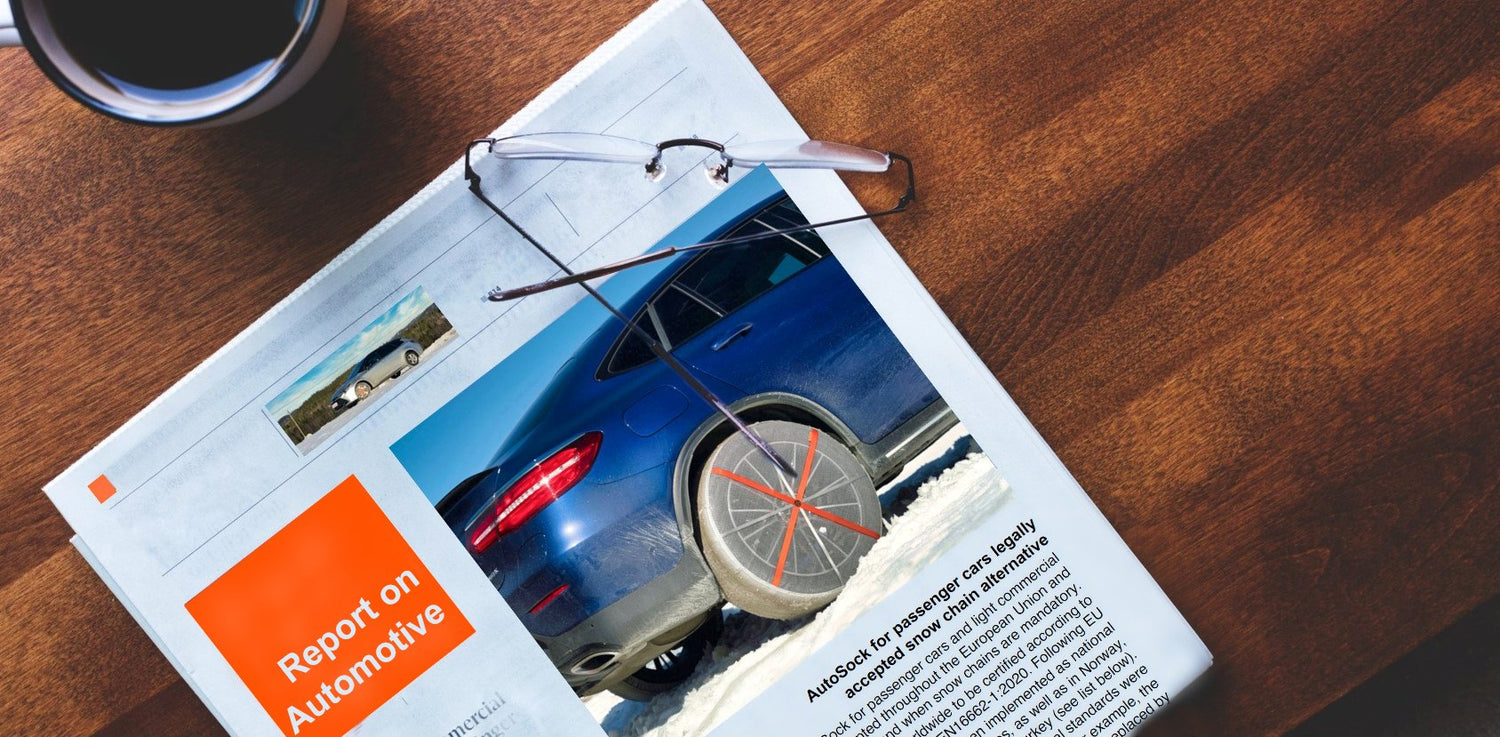
AutoSock is a legal alternative to metallic snow chains for cars and also trucks in the majority of Northern America, Europe and Asia. AutoSock is certified according to the latest standards such as the new European winter traction standard EN16662-1:2020 for passenger cars and is a legal alternative to snow chains in any EU member state except Austria. In addition, AutoSock is officially accepted in Switzerland when snow chains are mandatory. For a detailed overview, please see our regulations page.
TEXTILE TIRE SOCKS FIT CARS, TRUCKS, BUSES AND FORKLIFTS
-

The Alternative to Metal Chains
RegulationsAutosock is based on more than 25 years of research and development. With numerous approvals and certifications, Autosock is a legal alternative to snow chains in most countries.
-
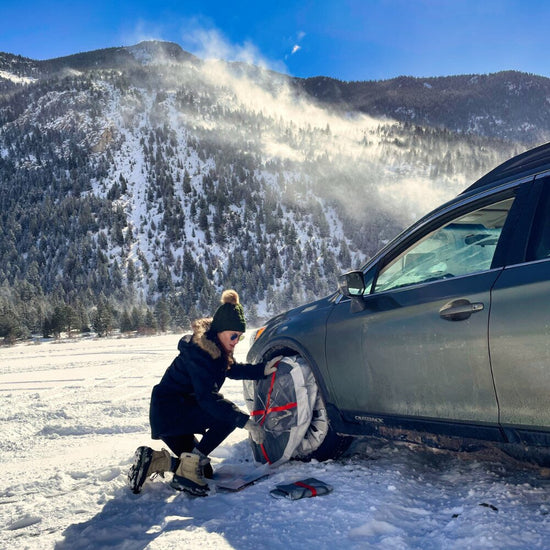
Available in 60 Countries
Where to BuyAutoSock has become an essential for roadside emergency kits. Faced with unpredictable weather, the quick and space-saving solution keeps you moving.
Find your nearest AutoSock dealer.
-
The Snow Sock - invented in Norway
About UsAutoSock is the only textile traction aid not just approved by automotive manufacturers, but developed in collaboration with them. We pioneered the AutoSock and have continuously optimized our products since.



EASY AND QUICK MOUNTING IN ONLY THREE STEPS
-
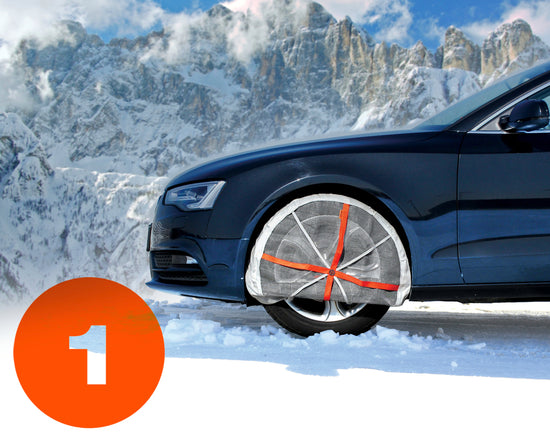
Step 1: Install AutoSock on the top half of your tire. Pull down AutoSock as far as possible.
-
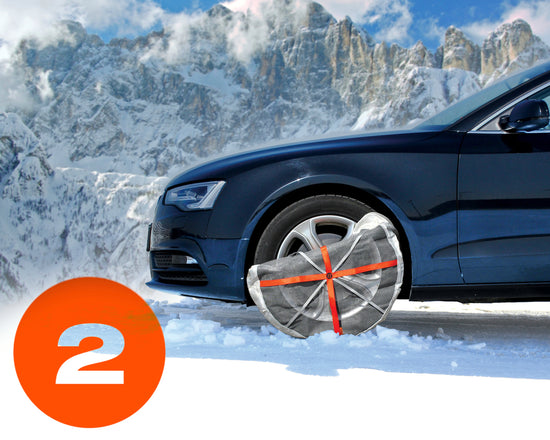
Step 2: Move the vehicle half a wheel turn.
-
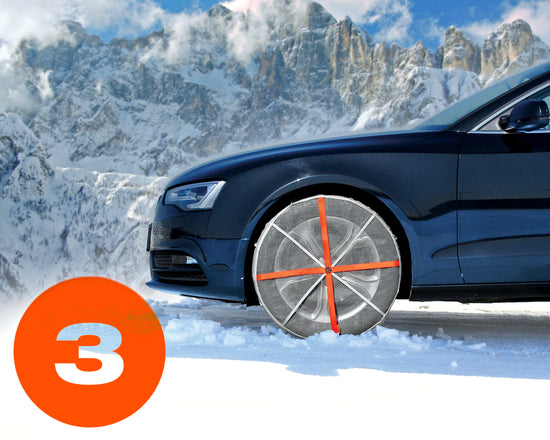
Step 3: Pull AutoSock over the remaining part of the tire.



RECOGNIZED AND APPROVED ACCORDING TO INTERNAL STANDARDS OF AUTOMOTIVE MANUFACTURERS



















HIGHLY RECOGNISED AMONG EXPERTS
FREQUENTLY ASKED QUESTIONS FROM ALL OVER THE WORLD (FAQ)
How do snow socks work?
Textiles tend to stick to dry snow and ice. The arranged fibres, used for the road contact fabric of AutoSock, facilitate the textile to absorb and ‘wick away’ any water between the ground and the tire, thereby maximizing the dry friction grip. Each thread of the road contact fabric consists of more than 100 fine high-performance fibres, which lead to a “hairy” surface of the AutoSock traction fabric. These “hairs” penetrate the slippery water film and connect the tires directly to the surface (snow). With correct use, AutoSock becomes “hairier” and even improves performance over time.
Snow socks vs chains: How does AutoSock perform compared to winter tires and metallic tire chains?
Proper winter tires (not 'all season' tyres) are an excellent choice for the winter months but they have their limitations. Winter tires lose grip when the combination of snow and slope counts against them. Drivers worldwide are using AutoSock on winter tires to e.g., climb steeper hills on icy roads and for making safe descents in loaded vehicles.
AutoSock does meet all performance, safety and durability requirements of any snow chain standard worldwide. AutoSock can be more effective than snow chains in many situations, especially on ice.
Are textile tire socks legal?
AutoSock is a legal alternative to snow chains (tire chains) for cars and also trucks in the majority of Northern America, Europe and Asia. AutoSock is certified according to the latest standards such as the new European winter traction standard EN16662-1:2020 for passenger cars and is a legal alternative to snow chains in any EU member state except Austria. In addition, AutoSock is officially accepted in Switzerland when snow chains are mandatory. For a detailed overview, please see our regulations page.
How durable are textile snow chains?
We initiate and support testing both in-house and through third parties on a regular basis. In order to obtain certification according to new EN16662-1:2020, AutoSock must pass at least 120km on dry asphalt without any safety relevant damages. In addition, durability is tested on snow-covered test tracks for several hundred kilometres. AutoSock warrants proper use and we highly recommend reading the included instructions before use. By avoiding unnecessary wheelspin and longer distances on clear roads, AutoSock will last a long time.
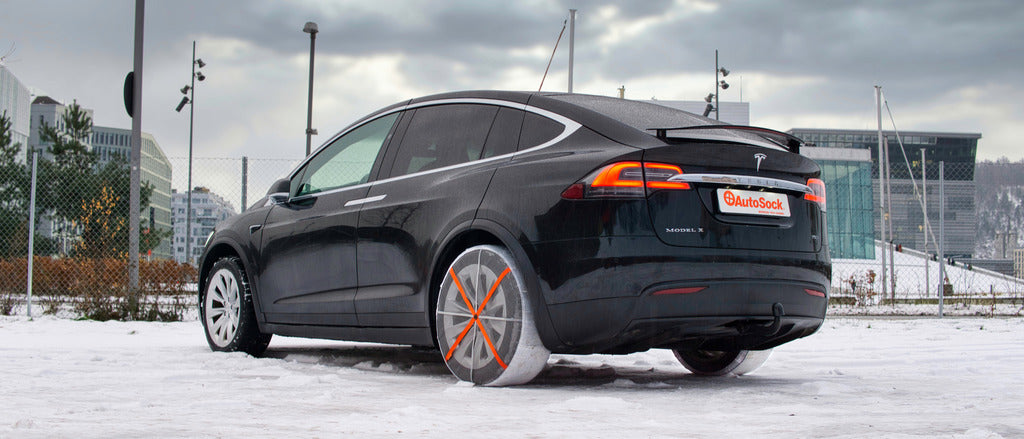
If driven according to instructions and solely on clean snow and ice, AutoSock will last several hundred kilometers. The photo here shows AutoSock mounted and driven on a Tesla Model Y for 500km on a Norwegian country road in January 2024. AutoSock was still in great shape after 500km without significant damage.
MILLIONS OF SATISFIED CUSTOMERS RECOMMEND FABRIC TIRE CHAINS FOR WINTER DRIVING

All Textile Snow Chains Products available | The Snow Socks Collection
-
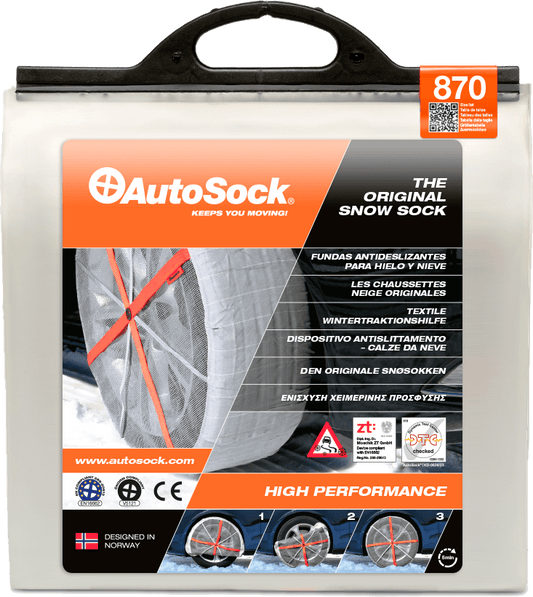
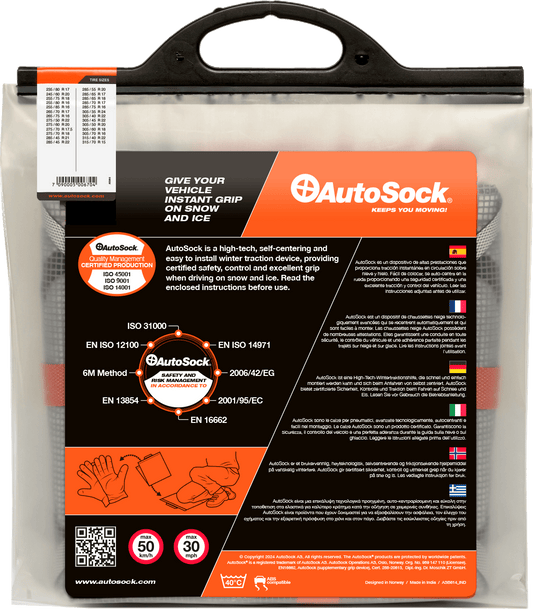
AutoSock HP 870
Regular price 0,00 krRegular priceUnit price per -
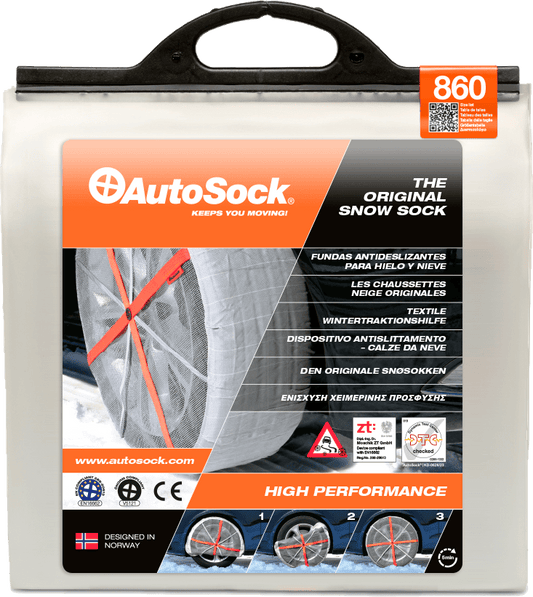
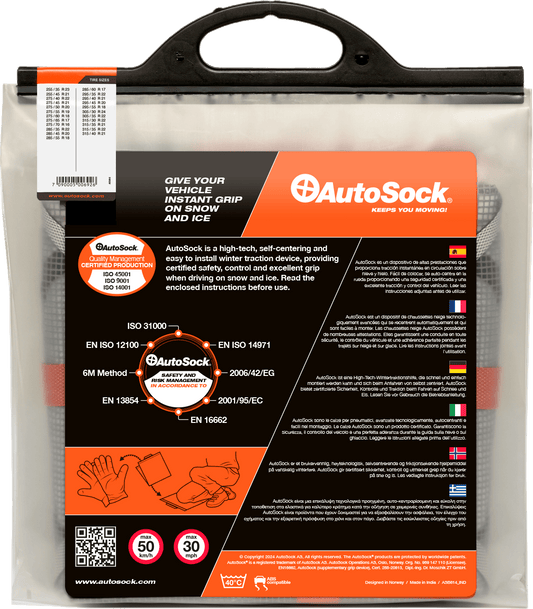
AutoSock HP 860
Regular price 0,00 krRegular priceUnit price per -
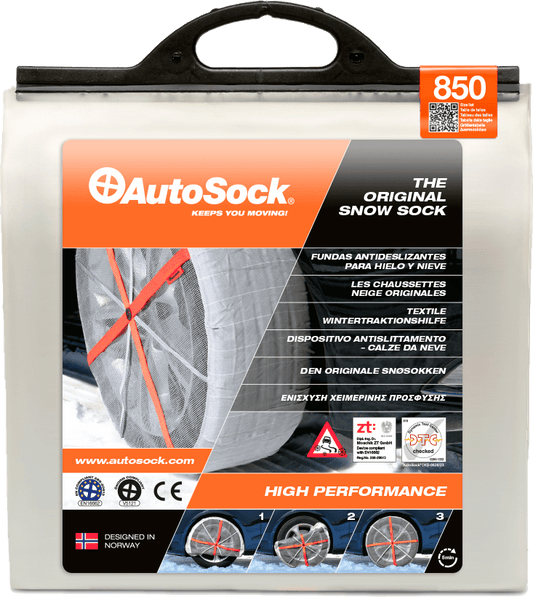
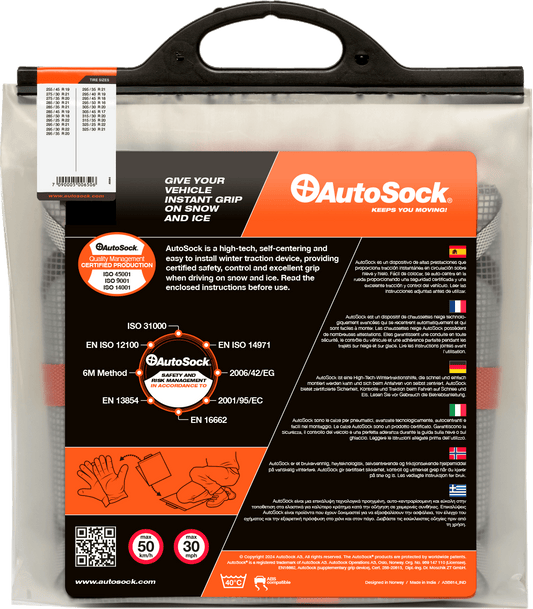
AutoSock HP 850
Regular price 0,00 krRegular priceUnit price per -
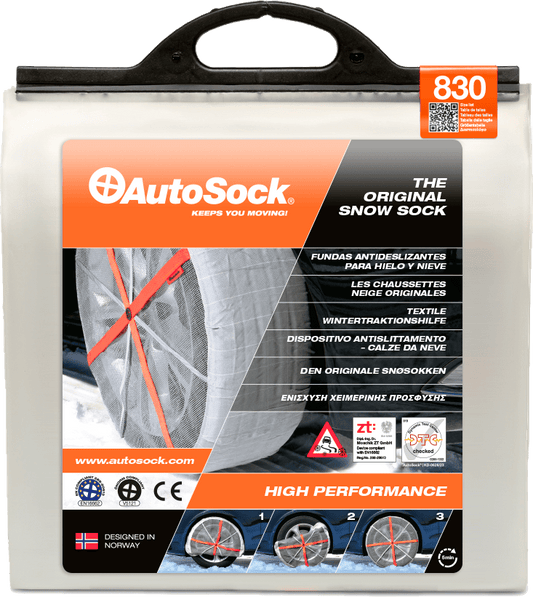
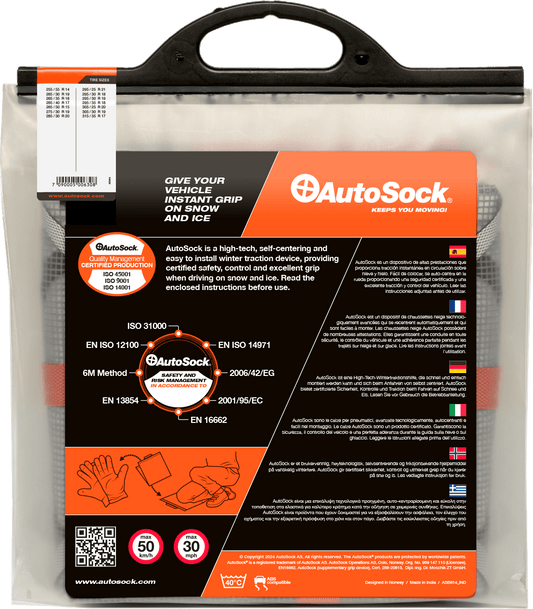
AutoSock HP 830
Regular price 0,00 krRegular priceUnit price per
-
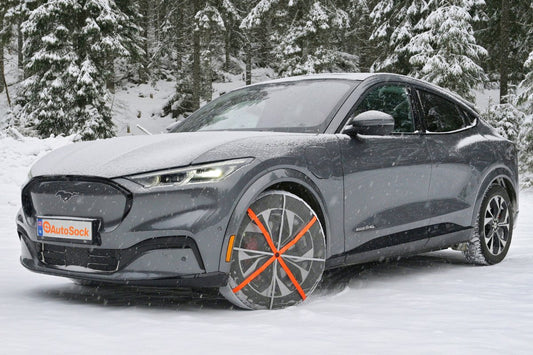
Snow Socks for Electric Vehicles: An Innovative Winter Solution
As winter approaches, you may find yourself wondering how to navigate snowy roads in your electric vehicle (EV). While traditional snow chains are often recommended for conventional cars, many EV...
Snow Socks for Electric Vehicles: An Innovative Winter SolutionAs winter approaches, you may find yourself wondering how to navigate snowy roads in your electric vehicle (EV). While traditional snow chains are often recommended for conventional cars, many EV...
-

Are Snow Socks allowed for Cars when Snow Chains are mandatory in Austria? All Information about the Regulations for this Winter
Snow chains have been compulsory on snowy and slippery mountain roads for decades in the entire Alpine region. In Austria, too, the blue traffic sign with the snow chain indicates...
Are Snow Socks allowed for Cars when Snow Chains are mandatory in Austria? All Information about the Regulations for this WinterSnow chains have been compulsory on snowy and slippery mountain roads for decades in the entire Alpine region. In Austria, too, the blue traffic sign with the snow chain indicates...
-
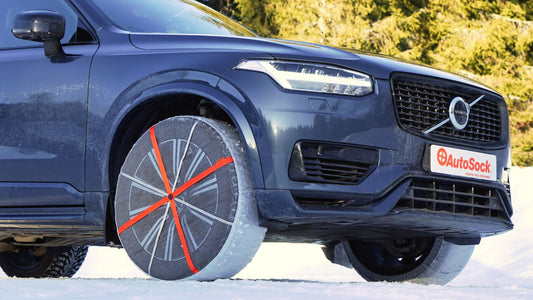
Understanding the Importance of Winter Traction Devices and Accurate Size Charts
When winter hits, driving conditions can quickly become treacherous. Icy roads, heavy snowfall, and freezing rain make navigating the streets a challenge for even the most experienced drivers. In such...
Understanding the Importance of Winter Traction Devices and Accurate Size ChartsWhen winter hits, driving conditions can quickly become treacherous. Icy roads, heavy snowfall, and freezing rain make navigating the streets a challenge for even the most experienced drivers. In such...
-
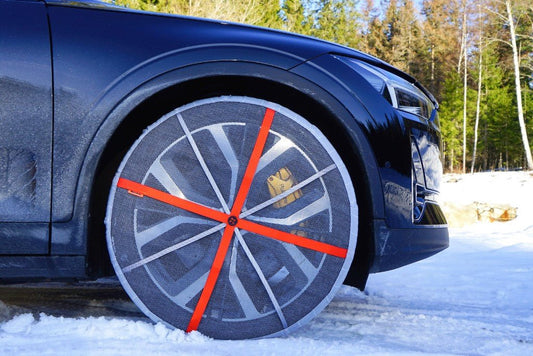
The Differences between Tire Types & how AutoSock improves the Winter Driving Experience
A tire comes in many shapes and forms and is designed to handle a variety of challenges. Two key areas are important for the performance of a tire – the...
The Differences between Tire Types & how AutoSock improves the Winter Driving ExperienceA tire comes in many shapes and forms and is designed to handle a variety of challenges. Two key areas are important for the performance of a tire – the...



